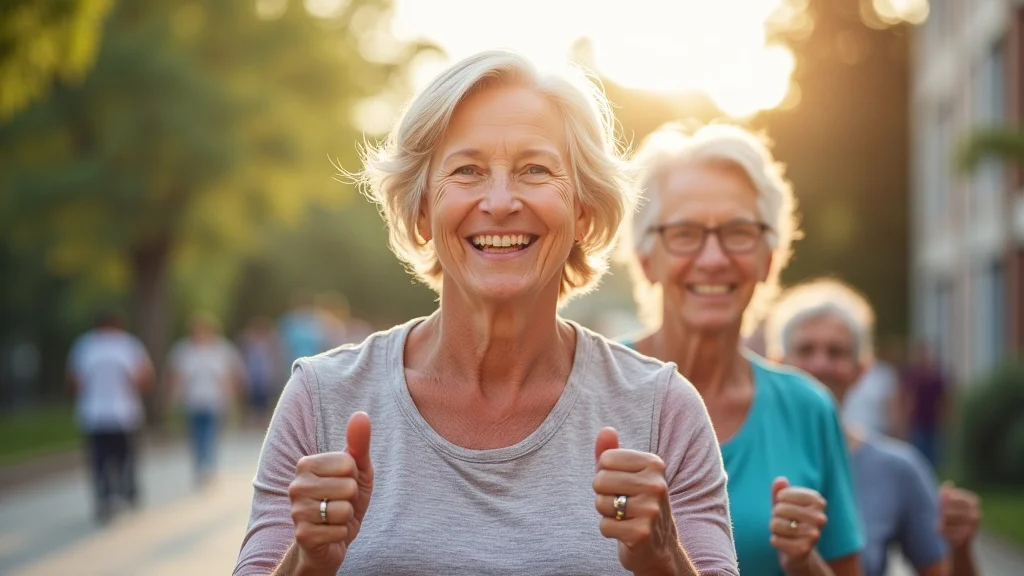
Remember that time your grandma, who’s in her seventies, out-hiked you on a mountain trail? It’s inspiring, isn’t it? Staying active and healthy is not just for the young; it’s vital for active seniors too. This article is your guide to health tips for active seniors, offering insights and practical advice to help you maintain your fitness and zest for life. You’ll gain valuable knowledge on nutrition, exercise, and mental well-being, enabling you to live a fulfilling and energized life. Prepare to enhance your quality of life, increasing your Time on Page, and reduce your Bounce Rate with expert advice.
Embracing a Balanced Lifestyle for Seniors
The core of a healthy and active lifestyle for seniors rests on balance. It’s about combining physical activity with proper nutrition and mental stimulation. This section will explore the essential components of a well-rounded lifestyle. We’ll explore how simple adjustments to your daily routine can dramatically improve your overall health and well-being. Think of it as creating a personalized wellness plan designed to keep you feeling great, allowing you to enjoy all that life has to offer. We’ll explore how these elements work together to create a synergistic effect, boosting your vitality.
Nutrition’s Role in Senior Wellness
Proper nutrition is critical for the health tips for active seniors. As we age, our bodies experience changes that affect how we process nutrients. Meeting your nutritional needs is key to maintaining energy levels, supporting muscle mass, and bolstering your immune system. This section will delve into dietary recommendations, focusing on nutrient-dense foods, and portion control. We’ll discuss how to combat age-related health challenges through smart eating habits, providing advice you can apply to your daily meals.
- Focus on Nutrient-Rich Foods. Prioritize foods rich in vitamins, minerals, and antioxidants, such as fruits, vegetables, lean proteins, and whole grains. These foods provide essential nutrients your body needs to function optimally. For example, berries are packed with antioxidants, which combat cell damage. Incorporate a variety of colors into your meals to ensure a wide range of nutrients. Aim for at least five servings of fruits and vegetables daily.
- Stay Hydrated. Dehydration can lead to fatigue, headaches, and other health issues, especially as you get older. Make sure to drink plenty of water throughout the day. Carry a water bottle with you and sip it regularly. Consider adding slices of fruit or cucumber to your water for added flavor. Hydration also helps with digestion and keeps your skin healthy.
- Limit Processed Foods and Added Sugars. Processed foods are often high in sodium, unhealthy fats, and added sugars. These can contribute to weight gain, inflammation, and chronic diseases. Read food labels carefully and choose whole, unprocessed foods whenever possible. Reduce your intake of sugary drinks, snacks, and desserts.
- Prioritize Protein Intake. Protein is essential for maintaining muscle mass, which naturally declines with age. Include a source of protein in each meal, such as lean meats, poultry, fish, beans, lentils, or tofu. Protein also helps with satiety, which can help control your weight. Aim for about 0.8 grams of protein per kilogram of body weight per day.
- Consider Supplements. Depending on your dietary needs and health conditions, your healthcare provider may suggest certain supplements. Common supplements for seniors include vitamin D, calcium, and B12. Discuss any potential supplements with your doctor to ensure they are safe and appropriate for you.
Eating habits often involve planning. A good example involves making a weekly meal plan to ensure a balance of nutrients and easy-to-prepare options, thereby preventing unhealthy impulse choices. Another example is learning to read and understand food labels. This skill empowers you to make informed decisions about your daily diet, focusing on the quality and quantity of the nutrients you consume. Always consult with a doctor or a registered dietitian for personalized advice based on your individual needs.
The Benefits of Regular Exercise
Physical activity is a cornerstone of maintaining an active lifestyle as you age. Exercise does more than just help you maintain a healthy weight; it also improves your cardiovascular health, increases your strength and flexibility, and boosts your mood. This part will explain the types of exercise best suited for seniors, including advice on how to start safely. The goal is to provide a comprehensive view of exercise, showing how it plays a role in keeping seniors vital and enhancing their quality of life.
- Cardiovascular Exercise. Activities like brisk walking, swimming, cycling, and dancing are great for heart health and endurance. Aim for at least 150 minutes of moderate-intensity exercise per week, or 75 minutes of vigorous-intensity exercise. Start slowly and gradually increase the intensity and duration as you become stronger. Consider using a fitness tracker to monitor your heart rate and progress.
- Strength Training. Incorporate exercises that build muscle, such as weightlifting, resistance band workouts, or bodyweight exercises (like squats and push-ups against a wall). Strength training helps maintain muscle mass and bone density, which decrease with age. Do strength training exercises at least twice a week. Ensure proper form to prevent injuries.
- Flexibility Exercises. Stretching and yoga help improve flexibility and range of motion. This can help with balance and reduce the risk of falls. Spend at least 10 minutes each day stretching. Focus on major muscle groups, holding each stretch for 20-30 seconds. Consider taking a yoga or tai chi class.
- Balance Exercises. Balance exercises can significantly reduce the risk of falls. Simple exercises like standing on one leg, heel-to-toe walking, or using a balance board are effective. Practice these exercises regularly to improve your stability and coordination. Incorporate balance exercises into your daily routine.
- Consult with a Professional. Before starting any new exercise program, speak with your doctor or a physical therapist. They can help you determine the safest and most effective exercises for your specific needs and abilities. They can also offer guidance on proper form and technique.
Real-life examples can inspire action. For instance, a senior who starts with gentle walking and gradually increases the pace and duration, leading to improved endurance and energy levels. Another example is participating in group fitness classes, creating a social environment that boosts motivation and makes exercise more enjoyable.
Prioritizing Mental Well-Being
Mental well-being is as significant as physical health in the health tips for active seniors. Keeping your mind sharp and engaged can help prevent cognitive decline and boost your overall quality of life. This section will explore strategies for maintaining and enhancing your cognitive abilities. We will discuss various activities that stimulate the brain and promote emotional wellness. The aim is to empower seniors with tools and advice to keep their minds active, alert, and resilient.
- Stay Socially Connected. Social interaction is vital for mental health. Spend time with family and friends, join clubs or groups, and volunteer in your community. Social activities provide a sense of belonging and reduce feelings of loneliness and isolation. Regular social contact can also improve cognitive function.
- Challenge Your Brain. Engage in activities that challenge your brain, such as puzzles, crosswords, reading, learning a new language, or playing strategy games. These activities stimulate cognitive functions like memory, attention, and problem-solving. Make mental exercises a part of your daily routine.
- Manage Stress. Chronic stress can negatively impact both physical and mental health. Practice relaxation techniques like deep breathing, meditation, or yoga to manage stress levels. Ensure you get adequate sleep and engage in activities that bring you joy and relaxation. Consider using a stress ball.
- Embrace Lifelong Learning. Continually learning new things is a great way to keep your mind active and engaged. Take classes, workshops, or online courses. Learning something new boosts brain function and provides a sense of accomplishment. Explore different interests and passions.
- Seek Professional Support When Needed. If you are experiencing symptoms of depression, anxiety, or other mental health challenges, seek professional support. Talk to your doctor or a therapist. Mental health professionals can provide guidance, support, and treatment options. Don’t hesitate to reach out for help.
Consider two scenarios. First, an elderly person joins a book club and discusses literature with others. Second, an active senior starts taking a painting class, exploring artistic creativity. These actions are both great for mental well-being and social interaction, which leads to enriched lives.
Addressing Common Health Concerns for Seniors
This section explores common health challenges that seniors often face. The goal is to provide a framework for prevention and management, focusing on areas where seniors can take proactive steps. This includes insights into specific health concerns like chronic diseases, mobility issues, and fall prevention. The aim is to empower you with knowledge and strategies to improve your health, making informed decisions that promote an independent and active lifestyle.
Managing Chronic Diseases
Chronic diseases such as heart disease, diabetes, arthritis, and osteoporosis are prevalent among seniors. Proper management of these conditions is essential for maintaining a high quality of life. This part offers strategies for managing chronic diseases through medication adherence, lifestyle changes, and regular health check-ups. The aim is to present seniors with actionable advice to take control of their health, helping them lead fulfilling lives despite the presence of chronic diseases.
- Follow Your Medication Regimen. Take your medications as prescribed by your doctor. Use a pill organizer to help you keep track of your medications. If you have any questions or concerns about your medications, discuss them with your doctor or pharmacist.
- Make Healthy Lifestyle Choices. Maintain a healthy diet, exercise regularly, and get adequate sleep. These lifestyle choices can help manage chronic diseases and improve your overall health. Make gradual changes to your lifestyle to incorporate better habits.
- Attend Regular Check-Ups. Schedule regular check-ups with your doctor and other healthcare providers. These visits allow for early detection and management of potential health problems. Keep a record of your medical history and share it with your healthcare team.
- Monitor Your Symptoms. Be aware of your symptoms and report any changes to your healthcare provider. Keeping a symptom journal can help you identify patterns and track the effectiveness of your treatment. Don’t ignore any new or worsening symptoms.
- Seek Support. Join support groups or connect with others who have similar health conditions. Support groups can provide valuable information, emotional support, and a sense of community. Ask your doctor for resources on local support groups.
Practical examples show how small steps make a difference. For example, a senior with diabetes who monitors their blood sugar levels regularly and adjusts their diet accordingly. Another example is a senior with arthritis who starts taking up water aerobics and finds a reduction in pain. These actions demonstrate the power of proactive health management.
Preventing Falls and Maintaining Mobility
Falls are a leading cause of injury among seniors, often resulting in serious consequences. Maintaining mobility and preventing falls is essential for maintaining independence and an active lifestyle. This section provides tips on fall prevention strategies and exercises that improve balance and strength. The focus is to show how to minimize fall risks. The goal is to empower seniors to stay mobile, active, and safe in their daily lives.
- Assess Your Home Environment. Make sure your home is safe. Remove tripping hazards like loose rugs, clutter, and electrical cords. Install grab bars in bathrooms and stairwells. Ensure your home is well-lit, especially in areas where you walk frequently.
- Exercise Regularly. Incorporate exercises that improve balance, strength, and flexibility. Tai chi and yoga are particularly beneficial. Regular exercise can significantly reduce your risk of falls. Aim for exercises that focus on stability and coordination.
- Get Regular Eye Exams. Poor vision can increase your risk of falls. Schedule regular eye exams and update your eyeglasses as needed. Correct vision problems can prevent accidents. Make sure your vision prescription is up-to-date.
- Review Your Medications. Some medications can cause dizziness or drowsiness, which can increase the risk of falls. Discuss your medications with your doctor and pharmacist. Ask about any potential side effects.
- Use Assistive Devices. If needed, use assistive devices like canes or walkers. These devices can provide additional support and help you maintain your balance. Be sure to use these devices correctly and get training if necessary.
Consider two examples of the preventive aspect. For instance, a senior who installs grab bars in the shower and uses a shower chair to prevent falls. Another example is a senior who joins a tai chi class to improve balance and coordination, thereby reducing the risk of accidental slips and injuries. Small changes create a safer and more active life.
Embracing a Positive Outlook
A positive mental attitude plays a significant role in overall health and well-being. This section will discuss the importance of fostering a positive mindset and provide strategies to maintain a positive outlook, particularly when facing life’s challenges. The aim is to equip seniors with tools to cultivate resilience, happiness, and a fulfilling life, thereby enhancing both physical and mental wellness. We will explore how a positive attitude can affect your daily life.
Cultivating Gratitude and Mindfulness
Gratitude and mindfulness are powerful tools for enhancing mental well-being. This section will delve into the benefits of practicing gratitude and mindfulness, and offer practical exercises to incorporate these practices into daily life. We’ll explore how these habits can improve your overall quality of life and help you cope with stress and challenges more effectively. The aim is to provide practical steps for seniors to cultivate appreciation and inner peace, promoting a positive mindset.
- Keep a Gratitude Journal. Write down things you are thankful for each day. This can be as simple as listing three things you appreciate. Regularly reviewing your gratitude journal can help you focus on the positive aspects of your life.
- Practice Mindfulness. Engage in mindfulness exercises like meditation or deep breathing. Mindfulness helps you become more aware of the present moment and reduces stress. Set aside a few minutes each day to practice mindfulness.
- Focus on Your Strengths. Identify your strengths and focus on using them in your daily life. This can boost your self-esteem and sense of accomplishment. Remind yourself of your positive qualities and abilities.
- Practice Forgiveness. Let go of grudges and practice forgiveness. Holding onto anger and resentment can be detrimental to your mental health. Forgiving others can free you from negativity.
- Spend Time in Nature. Connecting with nature can be incredibly calming and uplifting. Take walks in parks, gardens, or forests. Even spending time in your backyard can be beneficial. Nature can reduce stress and improve your mood.
Two scenarios bring this into context. First, a senior who writes down three good things that happened each day, helping to identify positive aspects and appreciating everyday moments. Second, a senior regularly practices meditation, finding inner peace and improved emotional regulation. These practices show how cultivating gratitude and mindfulness can enrich the lives of seniors.
Staying Connected and Engaged
Social connections and meaningful engagement are critical for maintaining mental and emotional well-being as you age. This section highlights the significance of social interaction and engagement in senior health and provides practical ways to stay connected and involved in the community. The goal is to provide strategies to help seniors foster a sense of belonging and purpose, leading to a more fulfilling and engaged life.
- Join Social Clubs and Groups. Participate in activities like book clubs, gardening clubs, or senior centers. These groups offer opportunities for social interaction and shared interests. Find clubs that align with your passions.
- Volunteer Your Time. Volunteering provides a sense of purpose and fulfillment. Find volunteer opportunities in your community that align with your values. Volunteering connects you with others and contributes to the greater good.
- Stay in Touch with Family and Friends. Regularly communicate with your loved ones. Make phone calls, write letters, or schedule video chats. Maintaining these relationships is essential. Strengthen family and friend bonds.
- Learn New Skills. Take classes or workshops on topics that interest you. Learning new skills keeps your mind active and provides opportunities for social interaction. Expand your knowledge and abilities.
- Embrace Technology. Learn how to use technology to connect with others, such as email, social media, and video calls. Technology can help you stay in touch with loved ones and engage with the world. Explore the advantages of digital communication.
Consider the benefits of staying connected. For example, a senior who volunteers at a local school reading to children. Another example involves a senior who learns how to use social media to connect with friends and family worldwide. These actions demonstrate how staying connected and engaged enriches lives and reduces loneliness.
Frequently Asked Questions
Question: What are the best exercises for seniors?
Answer: Exercises that focus on strength training, cardiovascular health, balance, and flexibility are ideal. Walking, swimming, cycling, weightlifting, yoga, and tai chi are all excellent choices.
Question: How can I improve my diet as I age?
Answer: Focus on nutrient-rich foods like fruits, vegetables, lean proteins, and whole grains. Reduce processed foods, added sugars, and unhealthy fats. Stay hydrated and consider supplements as recommended by your doctor.
Question: How can I prevent falls?
Answer: Remove tripping hazards from your home, exercise regularly, get regular eye exams, review your medications with your doctor, and use assistive devices if needed.
Question: How can I stay mentally sharp?
Answer: Stay socially connected, challenge your brain with puzzles and new skills, manage stress, and practice mindfulness and gratitude.
Question: Where can I find support for senior health?
Answer: Look to your doctor, local senior centers, support groups, and community organizations. These resources offer a range of services and support.
Final Thoughts
The journey to embracing a vibrant and healthy life as a senior is attainable with the right approach. Focusing on a balanced lifestyle, with a mix of physical activity, mindful eating habits, and mental engagement, sets the foundation for a fulfilling life. Implement regular exercise routines to maintain strength and flexibility, and prioritize a diet filled with nutrient-rich foods to fuel your body. Remember to nurture your mind by keeping it active through learning, social interactions, and techniques like meditation to reduce stress. Building a supportive social network and seeking professional help when needed will also enrich your well-being. By following these health tips for active seniors, you can proactively improve your quality of life. The advice shared provides a roadmap, so embrace these strategies and embark on your journey toward a healthier, more vibrant tomorrow.