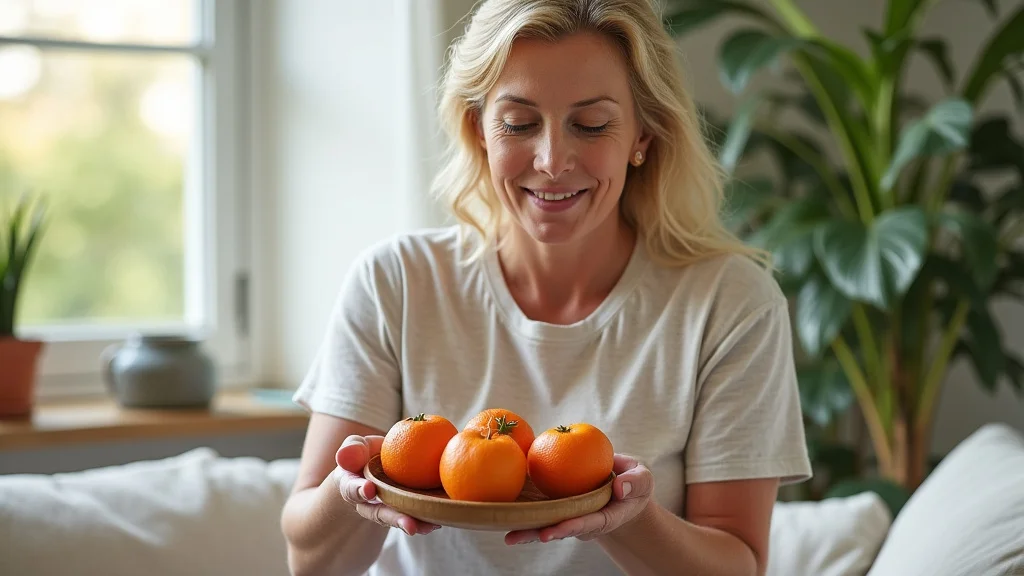
Ever feel overwhelmed by the sheer volume of health information out there? Trying to sort through conflicting advice can be like wandering a maze. That’s where Barbara O’Neill’s health tips can come in handy. Many people turn to her for guidance on natural wellness. This post will explore her approach, giving you practical, easy-to-understand advice that you can apply immediately. You’ll gain valuable insights into simple lifestyle changes. You’ll learn about dietary habits, and ways to manage stress, helping you to achieve a better state of health. This will improve your Time on Page and reduce your Bounce Rate.
Embracing a Holistic Approach to Wellbeing
Barbara O’Neill, a respected figure in natural health, emphasizes a holistic approach to wellness. This means considering the interconnectedness of the body, mind, and spirit. It’s not about quick fixes but about cultivating long-term habits. This encompasses everything from the foods you eat to how you manage your stress levels and the quality of your sleep. She encourages individuals to take personal responsibility for their health by making informed choices about their lifestyle. This philosophy steers individuals to look beyond symptoms and address the root causes of health issues. It is about nurturing the body in a balanced way.
The Core Principles of Natural Living
The core principles promoted by Barbara O’Neill’s health tips focus on fundamental practices believed to promote vitality and longevity. She often recommends returning to basic natural practices to improve health. These are some key concepts.
- Whole Foods: Emphasis on eating unprocessed, whole foods that have not been changed. This includes fruits, vegetables, whole grains, nuts, and seeds. The focus is to eat as close to their natural state as possible. This approach provides the body with essential nutrients, supporting optimal bodily functions and reducing the risk of chronic ailments. These foods are packed with vitamins, minerals, and antioxidants, crucial for overall health.
- Fresh Air and Sunshine: Prioritizing daily exposure to fresh air and natural sunlight. Sunlight allows the body to produce Vitamin D, which is essential for bone health, immune function, and mental wellbeing. Fresh air helps in purifying the lungs, improving oxygen intake, and enhancing overall vitality. Regular outdoor activity is also linked to reduced stress and improved mood.
- Adequate Hydration: Drinking plenty of water is essential. O’Neill suggests that the proper amount of water flushes toxins from the body and aids in nutrient absorption. Water plays a key role in almost every bodily function. Hydration is key to maintain energy levels and help in bodily processes.
- Regular Exercise: Encouraging regular exercise in the form of physical activity. O’Neill underscores the importance of movement for maintaining a healthy weight, strengthening the cardiovascular system, and boosting mental health. Exercise also promotes better sleep patterns and increased energy levels.
- Sufficient Rest: Prioritizing good quality sleep is very important. Sleep is vital for the body to repair and rejuvenate itself. O’Neill recommends ensuring a consistent sleep schedule and creating a relaxing bedtime routine. Adequate rest supports a healthy immune system and improves cognitive function.
The Importance of Rest and Sleep
Getting enough rest and quality sleep is a critical part of Barbara O’Neill’s health tips. The body undertakes crucial restorative processes during sleep. She often stresses the importance of creating a conducive sleep environment. This includes a dark, quiet, and cool room. She encourages consistent sleep schedules and relaxing bedtime routines, such as reading or taking a warm bath. Sufficient sleep supports immune function, hormone balance, and cognitive function. This allows for better overall health.
Here are some sleep facts:
- Lack of sleep is connected to numerous health issues like weight gain and diabetes.
- Sleep helps the body restore itself and repair tissues.
- Poor sleep quality can affect your mental well-being and productivity.
- Consistent sleep patterns play an important part in your health.
Healthy Eating Habits According to Barbara O’Neill
At the heart of Barbara O’Neill’s advice is the idea that what we eat significantly affects our health. Her focus is on the power of whole, unprocessed foods. She guides individuals to choose meals that nourish and sustain the body. This involves making informed decisions about food. The aim is to create sustainable, positive changes in eating habits. This is a path to a more energized and vibrant life. It means seeing food as medicine.
The Power of Whole Foods
Whole foods form the foundation of her dietary recommendations. This means eating foods that are in their most natural form. These are foods that have not undergone much processing or have many ingredients added. These foods are packed with vital nutrients like vitamins, minerals, and antioxidants. These are the building blocks for optimal health. Consuming whole foods is also linked to a lower risk of chronic diseases. Embracing this approach is a simple and effective step toward better wellbeing.
- Fruits and Vegetables: These are key sources of essential vitamins and minerals, helping to build a strong immune system and protect against disease. They are rich in fiber, which supports healthy digestion. They also contain antioxidants, which combat free radicals. Eating a colorful range of fruits and vegetables is like a nutrient insurance policy, supporting overall health and vitality.
- Whole Grains: Whole grains are an important source of fiber. This can help regulate blood sugar levels. Whole grains also provide long-lasting energy, keeping you feeling fuller for longer. Including options like brown rice, oats, and quinoa can boost energy. They are also linked to improved heart health.
- Legumes: Legumes such as beans and lentils offer an excellent source of plant-based protein and fiber. Legumes support healthy digestion and provide sustained energy. They are a great way to manage weight and offer essential nutrients.
- Nuts and Seeds: Nuts and seeds are small but mighty, full of healthy fats, protein, and essential nutrients. These nutrient-dense foods provide energy and support brain health. Including a variety of nuts and seeds in the diet can have a positive impact on overall health.
Foods to Limit or Avoid
Barbara O’Neill’s health tips also outline foods that are best avoided. She highlights the need to avoid foods that can negatively affect health. This includes processed foods, refined sugars, and excessive amounts of unhealthy fats. These choices are believed to contribute to chronic health problems. Limiting these foods is a central aspect of her approach to improving health. The goal is to make informed decisions to promote wellness.
- Processed Foods: Often loaded with additives, preservatives, and unhealthy fats. Processed foods offer little in terms of nutritional value. They can contribute to inflammation and increase the risk of chronic diseases. She recommends reading labels carefully and choosing whole, unprocessed foods instead. This is key for improved health.
- Refined Sugars: Excess sugar intake can lead to insulin resistance, weight gain, and increased risk of diabetes. Refined sugars are in many processed foods. She advocates reducing sugar intake. This can improve overall energy and well-being.
- Unhealthy Fats: Focus on consuming healthy fats from sources like avocados, nuts, and seeds. Limit intake of unhealthy fats from fried foods and processed snacks. She advises avoiding trans fats, which are known to increase the risk of heart disease.
Managing Stress for Overall Wellbeing
The impact of stress on the body and mind is something that Barbara O’Neill’s health tips frequently address. She stresses that dealing with stress is essential to overall health. She suggests methods for managing stress, such as relaxation, mindfulness, and engaging in activities that bring joy. Her perspective on stress management is all about creating a balance. This balance promotes resilience and positive mental health.
Techniques for Stress Relief
According to Barbara O’Neill, dealing with stress is important for holistic well-being. Practicing relaxation techniques helps manage stress. These techniques can include deep breathing exercises, meditation, and spending time in nature. Relaxation is good for your health, both physically and mentally. It can help lower blood pressure. It can also reduce tension in the muscles.
- Deep Breathing Exercises: Simple but effective. They calm the nervous system and can reduce stress levels. Deep breathing encourages you to focus on the present moment. This helps clear your mind and promote relaxation.
- Meditation: Regular meditation can help reduce anxiety and improve your emotional balance. Mindfulness meditation focuses on paying attention to your thoughts and feelings without judgment. Meditation can increase self-awareness and provide a sense of peace.
- Spending Time in Nature: Taking time to be outdoors can significantly reduce stress levels. Studies show that spending time in nature lowers cortisol levels (the stress hormone). Exposure to nature can boost your mood, improve focus, and enhance your overall well-being.
The Impact of Stress on Physical Health
The effects of stress can extend far beyond the mind. It is also important to consider physical symptoms. Chronic stress can harm the immune system and increase your risk of illness. It can also be a factor in conditions such as heart disease. Managing stress through a combination of lifestyle changes is essential for maintaining physical health.
Understanding the Importance of the Environment
According to Barbara O’Neill’s health tips, the environment in which we live greatly influences our well-being. This covers the air we breathe, the water we drink, and the products we use. Creating a healthy environment involves making mindful decisions about these aspects of daily life. The goal is to reduce exposure to harmful substances. It is important to embrace practices that support environmental sustainability.
Reducing Exposure to Toxins
Minimizing exposure to environmental toxins is an important aspect of a health-conscious lifestyle. This involves being mindful of the products we use and the air we breathe. It also involves the water that we consume. O’Neill encourages people to make choices that support their health. This can improve long-term well-being and protect the environment.
- Choosing Natural Cleaning Products: Many household cleaners contain harmful chemicals. She encourages people to select natural, non-toxic alternatives. Using products like vinegar, baking soda, and essential oils can effectively clean your home. They can also safeguard your health.
- Filtering Water: Ensure that your drinking water is clean and free from contaminants. Using water filters can remove impurities. This helps protect your health and promote better hydration.
- Air Quality: Indoor air quality is also important. To improve the air in your home, consider using air purifiers. Make sure to ventilate your home. Fresh air is important for respiratory health.
Embracing Sustainable Practices
Living sustainably is not only beneficial for the environment, it is also good for you. O’Neill promotes eco-friendly practices that protect the planet and enhance personal health. It involves being aware of how our choices affect the world around us. These practices can range from reducing waste to supporting organic agriculture. They include making decisions that are good for both the earth and our bodies.
Here are some examples of sustainable practices:
- Reducing Waste: This can be done by reusing items. Also, consider recycling and composting. Reducing waste decreases environmental impact. It encourages mindful consumption.
- Supporting Organic Agriculture: Organic farming practices avoid the use of synthetic pesticides and fertilizers. Choosing organic foods reduces your exposure to harmful chemicals. It also supports agricultural practices that are better for the environment.
- Using Reusable Products: Replacing disposable items with reusable alternatives. For instance, using reusable water bottles and shopping bags can reduce waste. Making these small changes can have a large impact over time.
| Practice | Benefit |
|---|---|
| Reducing Waste | Decreases environmental impact and promotes conscious consumption |
| Supporting Organic Agriculture | Reduces exposure to chemicals, supports healthier farming methods |
| Using Reusable Products | Reduces waste, promotes sustainability |
Frequently Asked Questions
Question: What is the most important thing to start with, when changing to a healthier lifestyle?
Answer: Focus on incorporating whole, unprocessed foods into your diet. Start by gradually replacing processed snacks and meals with fruits, vegetables, and whole grains. This provides your body with essential nutrients.
Question: How can I fit exercise into a busy schedule?
Answer: Even small bursts of physical activity can make a difference. Incorporate short walks, use the stairs instead of the elevator, or do quick exercises during breaks. The key is consistency.
Question: Are supplements necessary for health?
Answer: While a balanced diet is the foundation, some individuals may benefit from supplements. However, it’s best to consult a healthcare professional. They can offer advice based on your individual needs.
Question: What is the best way to deal with stress?
Answer: Explore various techniques, like deep breathing, meditation, or spending time in nature. Identify what works best for you and integrate it into your daily life. Consistency is essential.
Question: How much water should I drink each day?
Answer: As a general guide, aim for at least eight glasses of water per day. However, your needs may vary based on activity level and climate. Listen to your body and hydrate accordingly.
Final Thoughts
The advice offered in Barbara O’Neill’s health tips provides a simple, yet powerful guide. This is for those seeking to enhance their wellbeing through natural methods. By focusing on whole foods, quality rest, and mindful stress management, you’re setting the foundation for long-term health and vitality. Embracing this holistic approach does not require drastic overhauls. Instead, it involves making small, sustainable lifestyle changes. The power of these simple steps is that they can lead to significant improvements in your overall health and quality of life. Start by taking small steps, such as incorporating more whole foods into your diet. Make a commitment to get enough rest. Remember that your health is a journey.